How to Do Bookkeeping Yourself: A Practical Guide for Small Business Owners
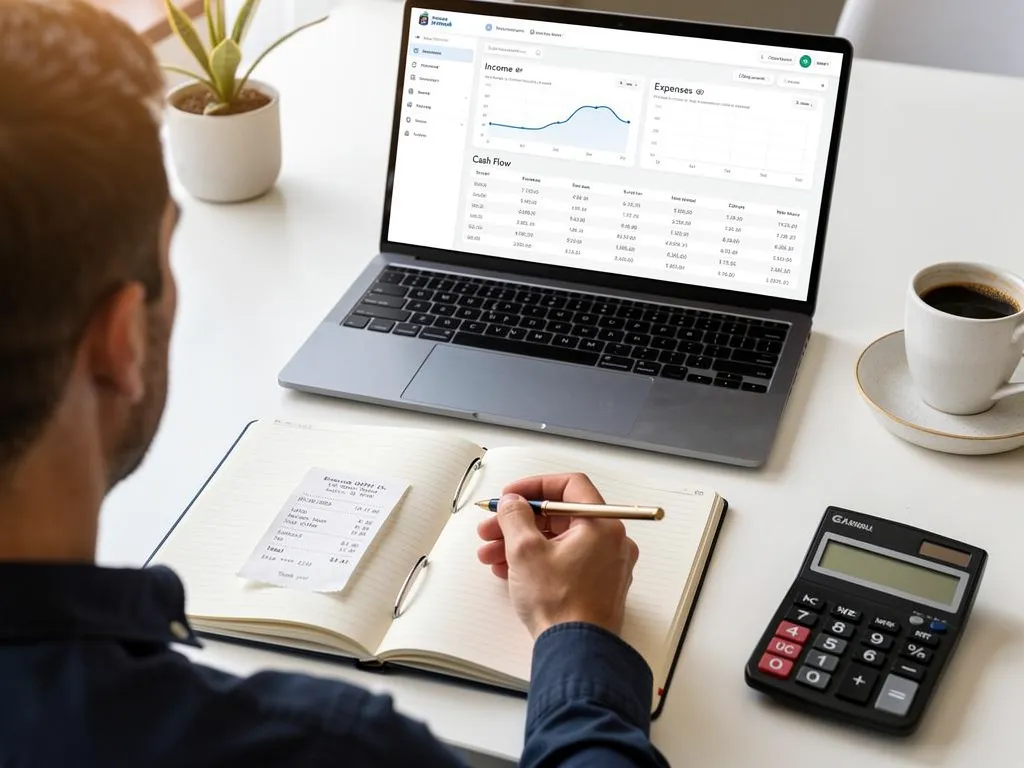
Running a business takes more than keeping customers happy and deadlines met. You also need a clear picture of what you earned, what you spent, and whether there's enough cash on hand to cover what's coming due.
Learning how to do bookkeeping yourself, often called DIY bookkeeping for small business, really just starts with building a manageable routine. Mastering these bookkeeping basics gives a freelancer or a small business with straightforward finances a set of consistent habits, and consistent habits are what make the numbers easy to understand.
Bookkeeping, at its core, is recording and organizing your business's financial activity. This guide walks you through setting up your records, keeping them current, and checking your work along the way.
Separate your business and personal finances
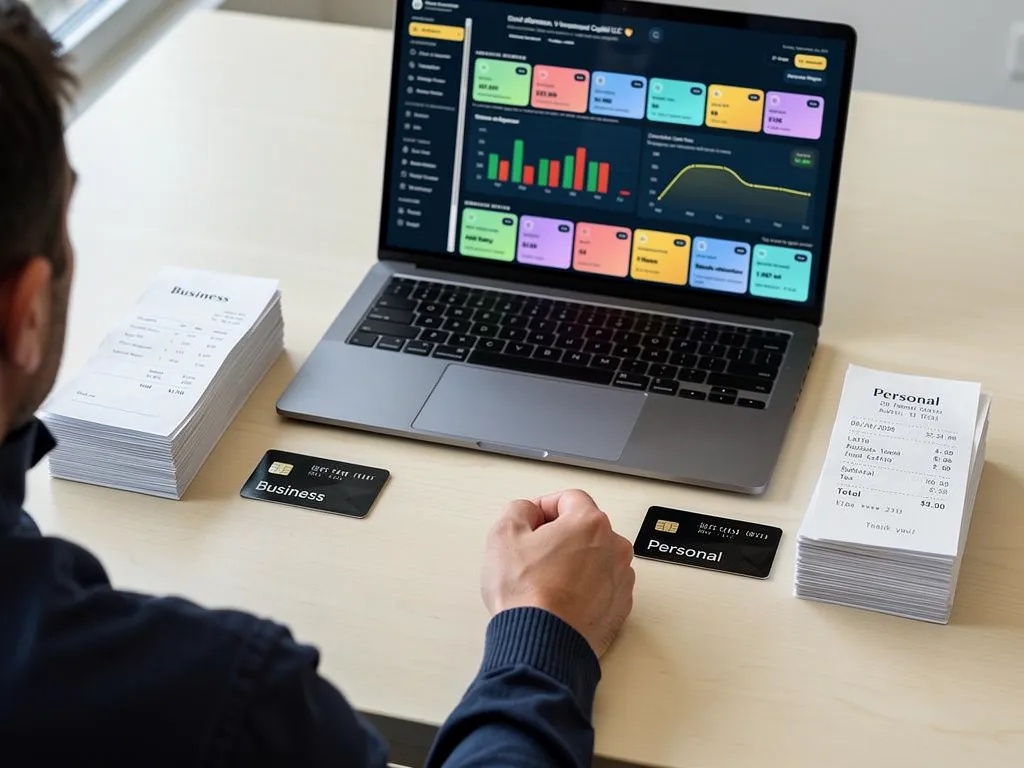
Open a dedicated business bank account and run all business payments and purchases through it. Keeping personal spending separate makes every transaction much easier to identify later. If you put your own money into the business, note it separately from customer sales. Already have mixed transactions on one account? Start with your most recent statement and label each item as you go. Keep a short list of the entries you're unsure how to classify rather than guessing at them.
Understand when to record income and expenses: cash vs accrual accounting
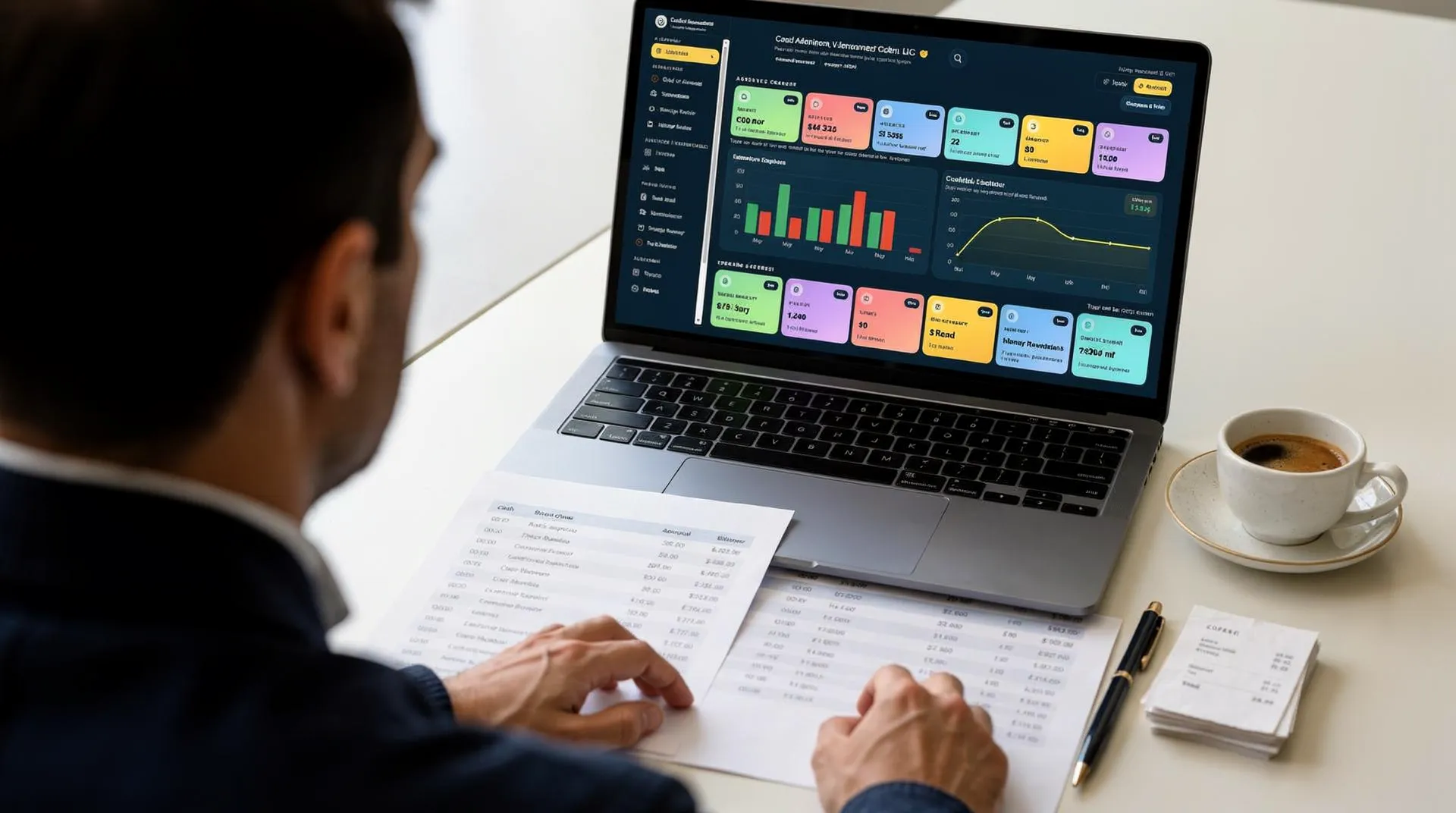
Your accounting method decides when income and expenses actually show up in your books. With cash accounting, income is generally recognized when you receive payment, and expenses when you pay them. With accrual accounting, income is generally recognized when it's earned, and expenses when they're incurred, even if the payment lands later. Some transactions carry special rules. Say you finish a design project in March but get paid in April: under cash accounting, that income generally belongs in April, while under accrual accounting, it generally belongs in March. Whichever method you pick, use it consistently. If your business already files tax returns, check its existing method before changing anything, since in the United States, changing a tax accounting method generally requires IRS approval.
Set up a system you can maintain
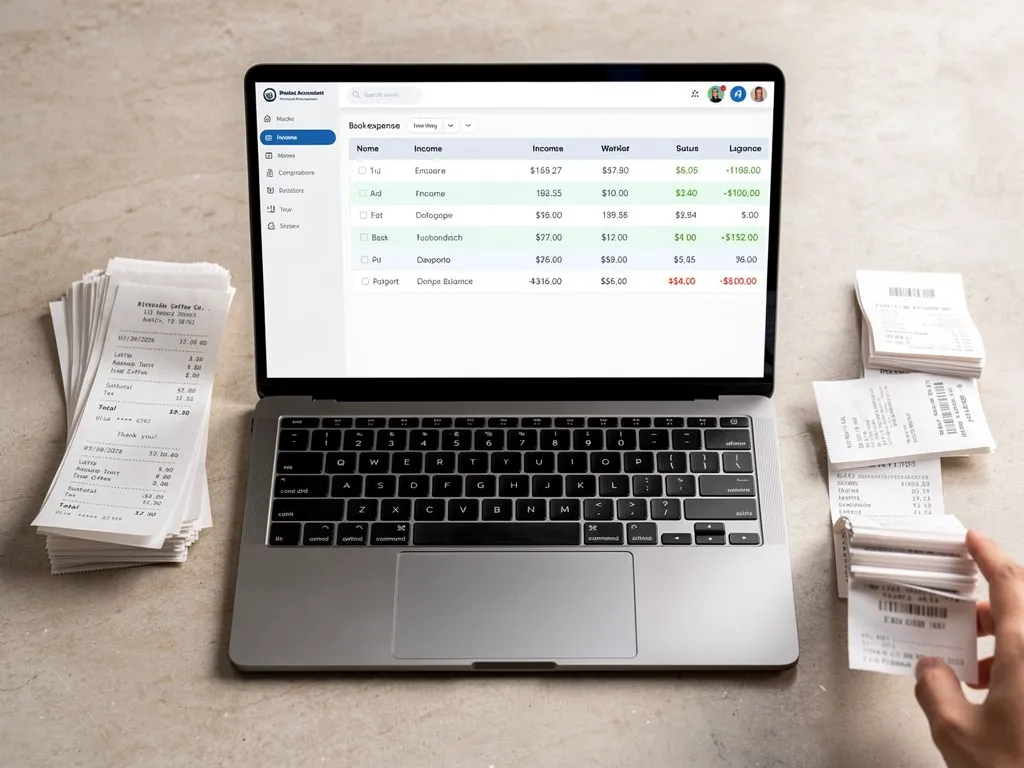
A spreadsheet works fine as a starting point if you only have a small number of straightforward transactions. Accounting software becomes worth the switch once you need connected records for invoices, bills, bank activity, and reports. Pick a start date and gather your bank statements, credit card statements, unpaid invoices, and outstanding bills. If the business is already operating, bring in accurate opening balances, since starting everything at zero would leave existing money and obligations out of your records. Create clear categories, things like service income, advertising, software subscriptions, office supplies, and professional fees, and stick with the same ones every month so your comparisons actually mean something.
Record transactions with enough detail
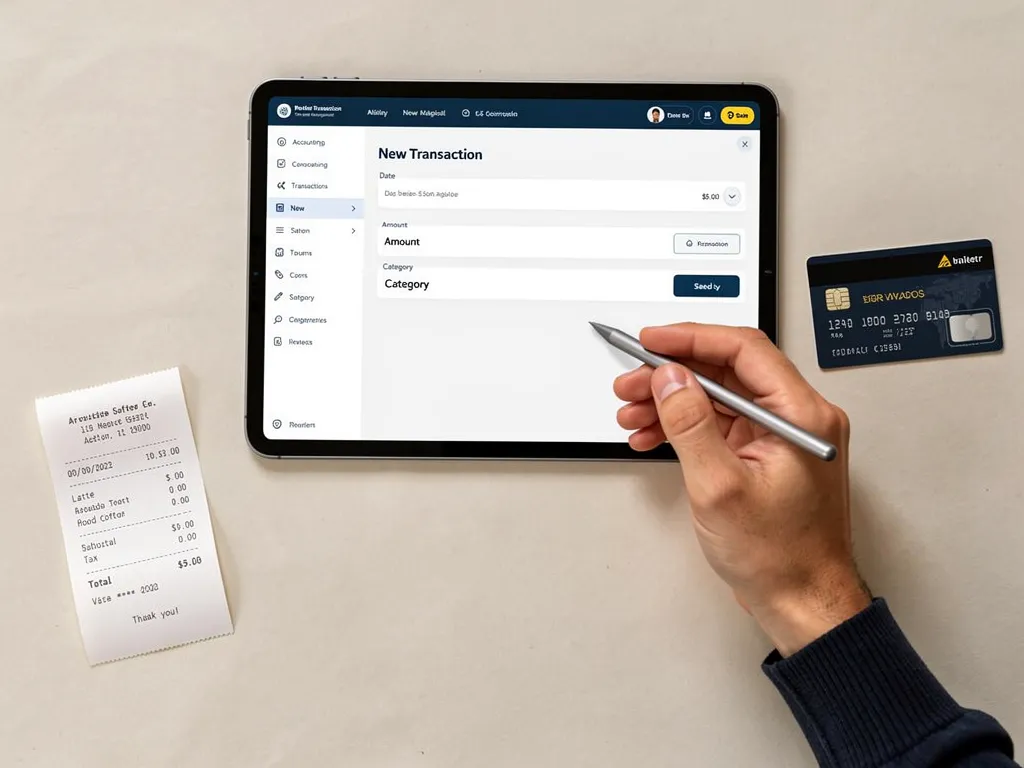
For each transaction, capture the date, amount, customer or supplier, category, payment account, and a brief explanation, and link the relevant receipt or invoice wherever you can. Don't forget cash payments and payment-platform activity alongside whatever shows up in your bank account. Say a customer pays $100 and a payment processor keeps a $3 fee: record $100 in sales and $3 in processing fees, then match the $97 deposit. If you record only the deposit as sales, you'll hide part of both your revenue and your costs. Watch for duplicates when importing transactions, too. A bank deposit may simply be settling an invoice you've already recorded, so match it to that existing transaction rather than adding another sale. The same goes for paying a credit card bill: it shouldn't create a second expense for purchases you've already logged.
Keep the documents behind the numbers
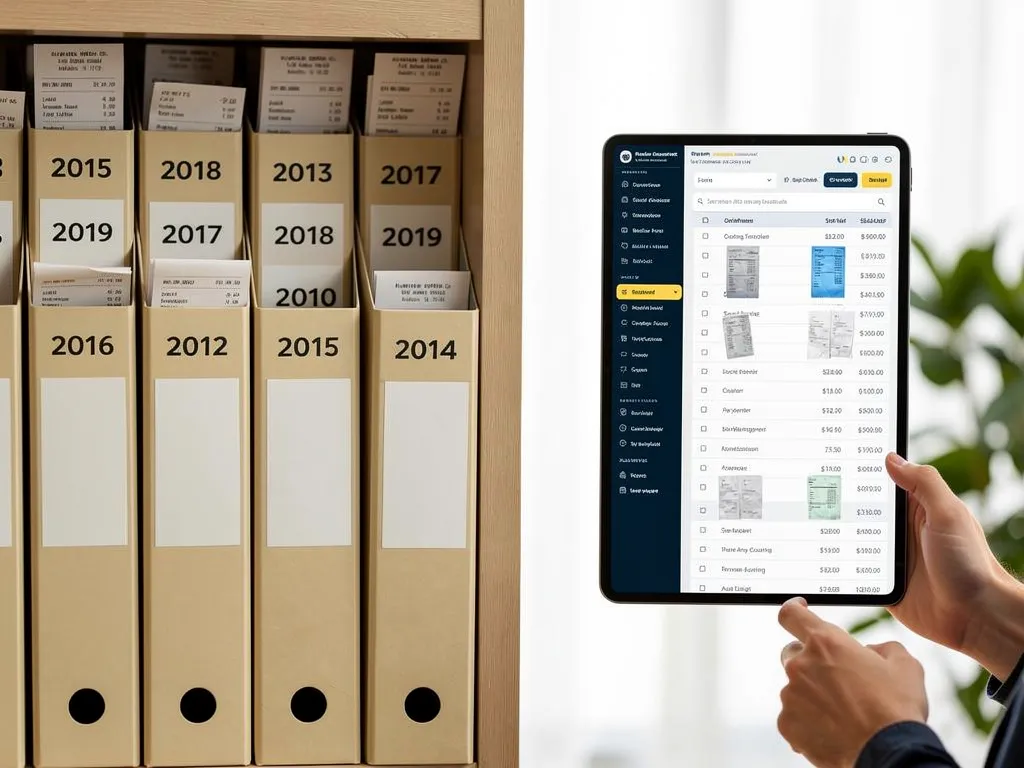
Save receipts, supplier invoices, customer invoices, and payment records. Your records should make clear who was paid, how much, when, and what the business actually purchased. Sometimes you'll need more than one document to support an expense. Create folders by year and month, or attach documents directly to transactions, whichever works for how you think. Add a note when the business purpose isn't obvious, and keep a backup you can get to when you need it. Retention requirements depend on the type of record and the rules that apply to it, so don't delete older documents just because the tax year has ended.
Reconcile your accounts each month
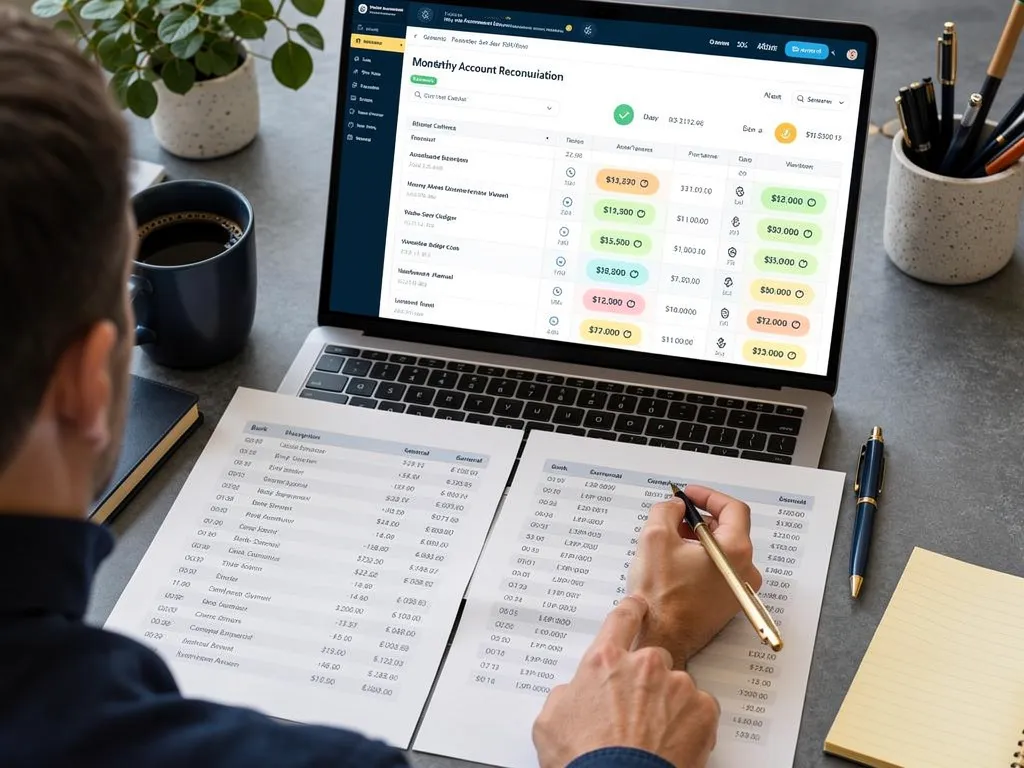
Bank reconciliation is comparing your bookkeeping records against your account statement and explaining whatever differences turn up. Check deposits and payments against the statement, add any missing bank fees, correct amounts you entered wrong, and chase down duplicate entries. Genuine timing differences are normal, like a payment recorded in your books that hasn't cleared the bank yet, but once you account for those, the adjusted balances should agree. Repeat this for each business bank account and credit card. If a difference remains, trace it back to the underlying transaction before you make any adjustment.
Review what your numbers are telling you
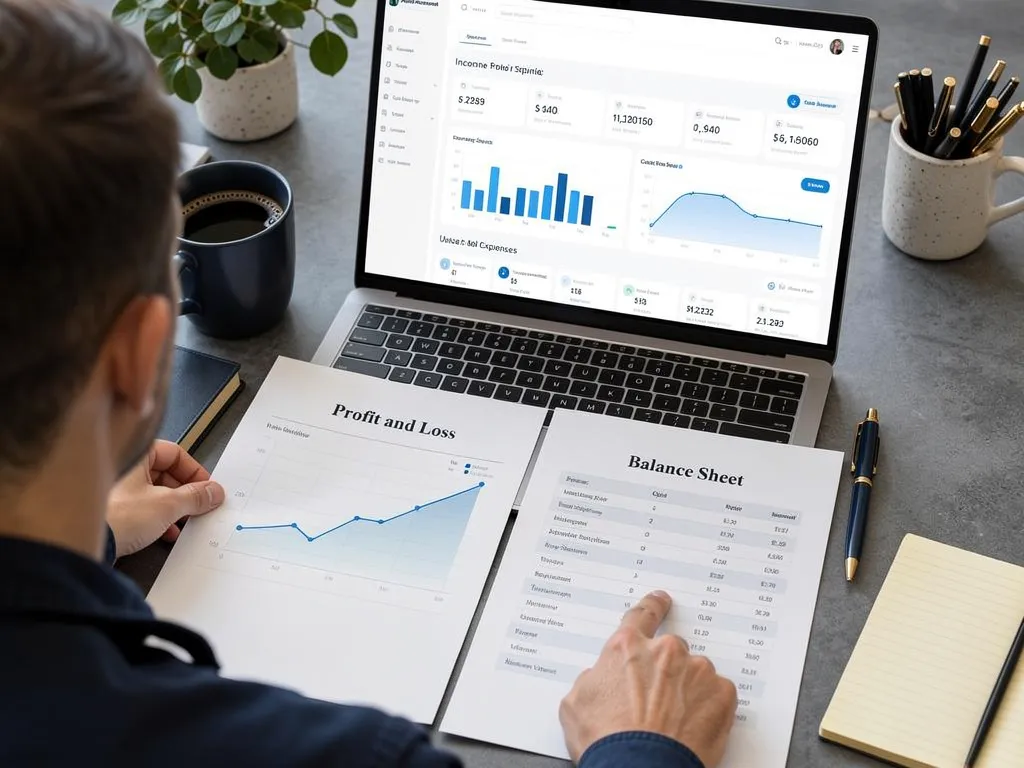
A profit and loss report shows your income, expenses, and the resulting profit or loss over a period. A balance sheet shows what the business owns and owes, along with the owner's equity, at a particular date. Start with the practical questions: Which expenses went up? Are customers paying on time? Will the cash on hand cover what's coming due? And keep in mind that a bank balance isn't the same thing as profit. Moving $500 between your business checking and savings accounts, for instance, just changes where the money sits; it doesn't create a sale or an expense.
Make bookkeeping part of your routine
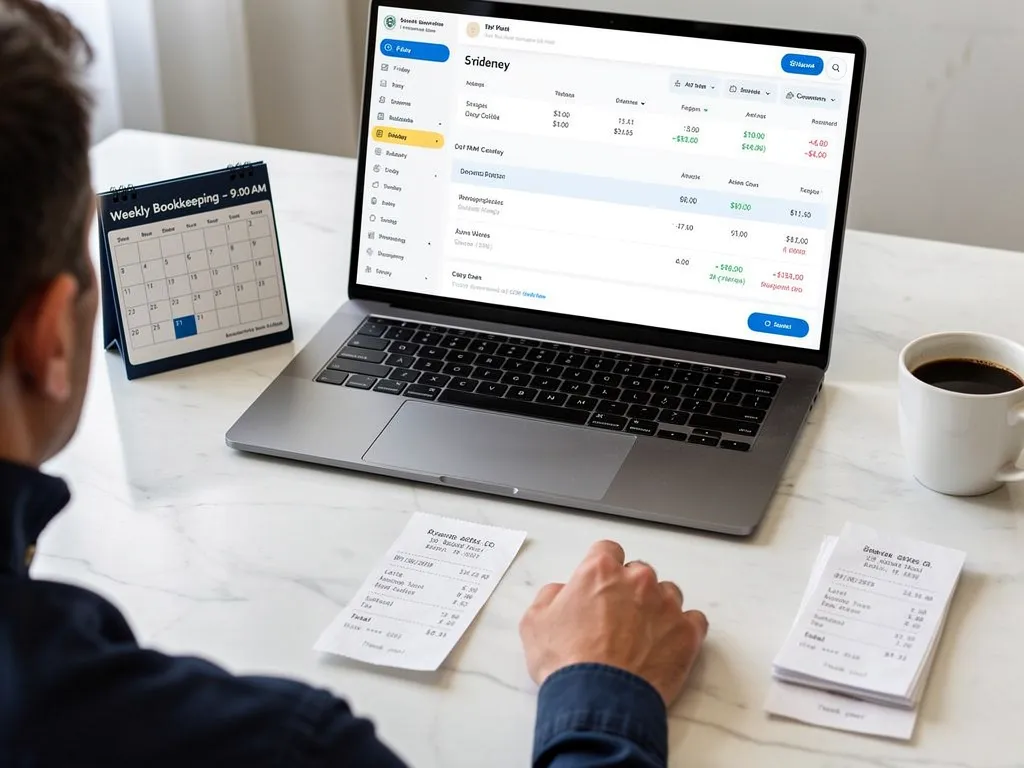
Set aside a recurring weekly appointment to review new transactions, collect missing receipts, send invoices, and check upcoming payments. Choose a time you can protect, such as Friday morning before client work begins. At the end of each month, reconcile your accounts, review overdue invoices, check uncategorized transactions, and save your reports. Keep a short list of unanswered questions for your bookkeeper or accountant. If payroll, inventory, sales tax, equipment purchases, or complex financing enter the picture, get help with the setup and treatment. You can continue handling everyday records while having a professional review areas that need specialist attention.
Pocket Accountant brings income and expense tracking, invoices, bills, receipt uploads, and financial reports into one workspace. Feature availability depends on your plan and connected services. Pocket Accountant
Visit Pocket Accountantto explore the tools and start building a bookkeeping routine that fits your business.
Conclusion

Learning how to do bookkeeping yourself comes down to a handful of dependable habits: separate business and personal accounts, a consistent cash or accrual method, detailed transaction records, monthly reconciliation, and regular review of profit and loss and balance sheet reports. Each habit reinforces the others, accurate categorization makes reconciliation faster, and reconciled accounts make your financial reports trustworthy. Set aside time each week to keep these records current, and bring in a bookkeeper or accountant for specialized areas like payroll, inventory, or sales tax. A workspace like Pocket Accountant can help bring these habits together in one place as your routine takes shape.
Frequently Asked Questions
Can a small business owner really handle bookkeeping without an accountant?
Yes, for a freelancer or small business with straightforward finances, a manageable routine, separating business and personal accounts, choosing a consistent accounting method, recording transactions in detail, and reconciling monthly, covers most day-to-day needs. It's still worth bringing in a bookkeeper or accountant for specialized areas like payroll, inventory, or sales tax.
Should I use cash or accrual accounting?
It depends on when the business wants income and expenses to show up in its records. Cash accounting recognizes income when it's received and expenses when they're paid, while accrual accounting recognizes them when earned or incurred, regardless of when payment lands. Whichever method is chosen, it should be used consistently, and any business already filing tax returns should check its existing method before switching, since changing a tax accounting method in the United States generally requires IRS approval.
Is a spreadsheet enough, or do I need accounting software?
A spreadsheet can work as a starting point for a small number of straightforward transactions. Accounting software becomes worthwhile once the business needs connected records for invoices, bills, bank activity, and reports all in one place.
How often should I reconcile my accounts?
Monthly reconciliation is recommended for each business bank account and credit card. This means comparing bookkeeping records against account statements, accounting for timing differences, and tracing any remaining discrepancy back to its underlying transaction before making an adjustment.
What records do I need to keep, and for how long?
Receipts, supplier invoices, customer invoices, and payment records should all be kept, along with notes when a business purpose isn't obvious. Retention requirements depend on the type of record and the rules that apply to it, so older documents shouldn't be deleted just because a tax year has ended.