Small Business Year-End Checklist: 12 Tips for a Smoother Close
A smooth year-end close begins with identifying what requires attention before the financial year closes. Missing receipts, overdue invoices, unexplained transactions, and incomplete bookkeeping become far more manageable when addressed through a structured year-end bookkeeping checklist, broken into smaller steps.
For small business owners, following a small business bookkeeping checklist supports three goals: completing the books accurately, preparing useful records for tax filing, and understanding the financial position carried into the next year.
This small business year-end checklist organizes the work, surfaces questions early, and helps build a routine that can be maintained year after year.
Start early and put the work on your calendar
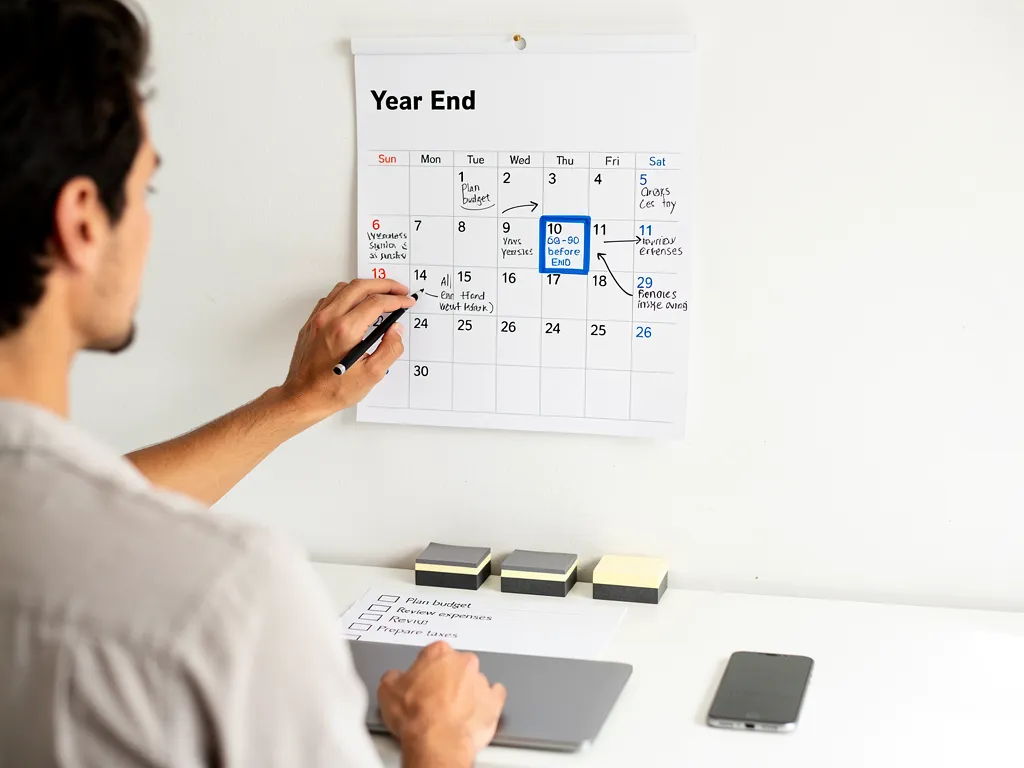
Begin building a month end close checklist 60 to 90 days before the business's financial year ends. For a calendar-year business, that means starting in October or November. Set aside a recurring weekly appointment for bookkeeping cleanup as part of a consistent month end accounting process, and create a short task list with a deadline and a responsible party for each item, even when that party is the owner. Schedule a meeting with an accountant before year-end to allow time to discuss any decisions that may need action before the year closes.
Catch up on transactions and review their categories
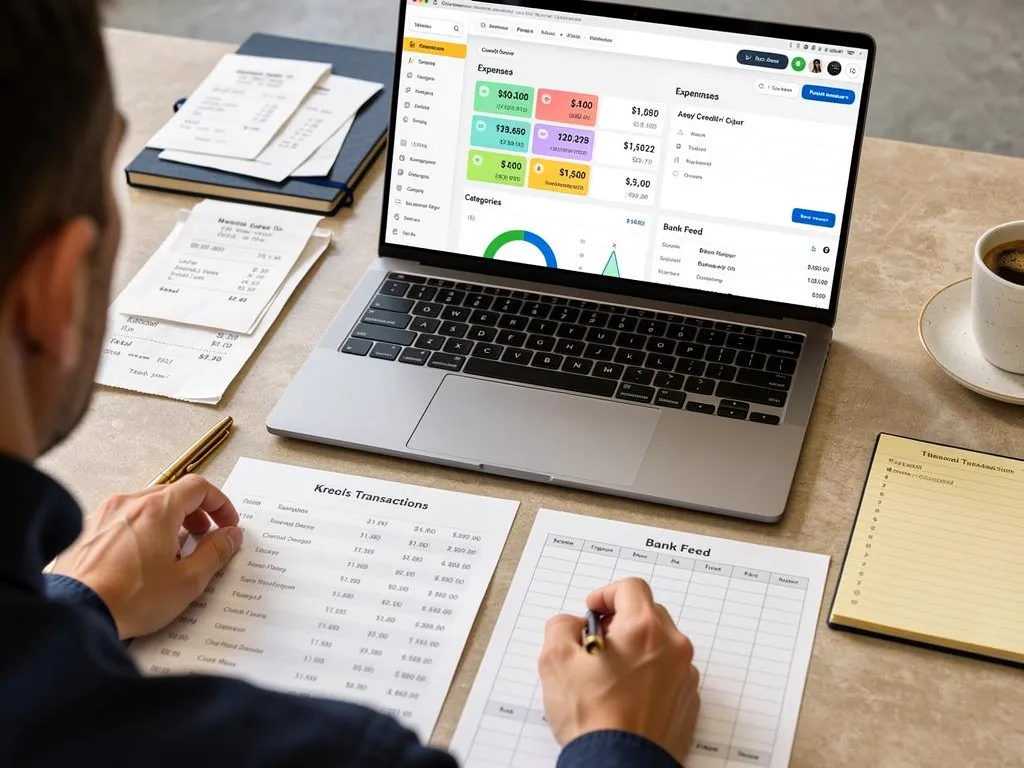
Bring transaction records up to date across business bank accounts, credit cards, cash purchases, and payment platforms. Look for uncategorized entries, duplicate purchases, missing processing fees, and personal spending mixed into business accounts. Confirm that transfers between accounts have not been recorded as sales or expenses. Review loan payments carefully, since principal repayments and interest carry different accounting effects. Keep a list of uncertain entries for the accountant instead of guessing or deleting transactions to make reports appear cleaner.
Reconcile every business bank and credit card account
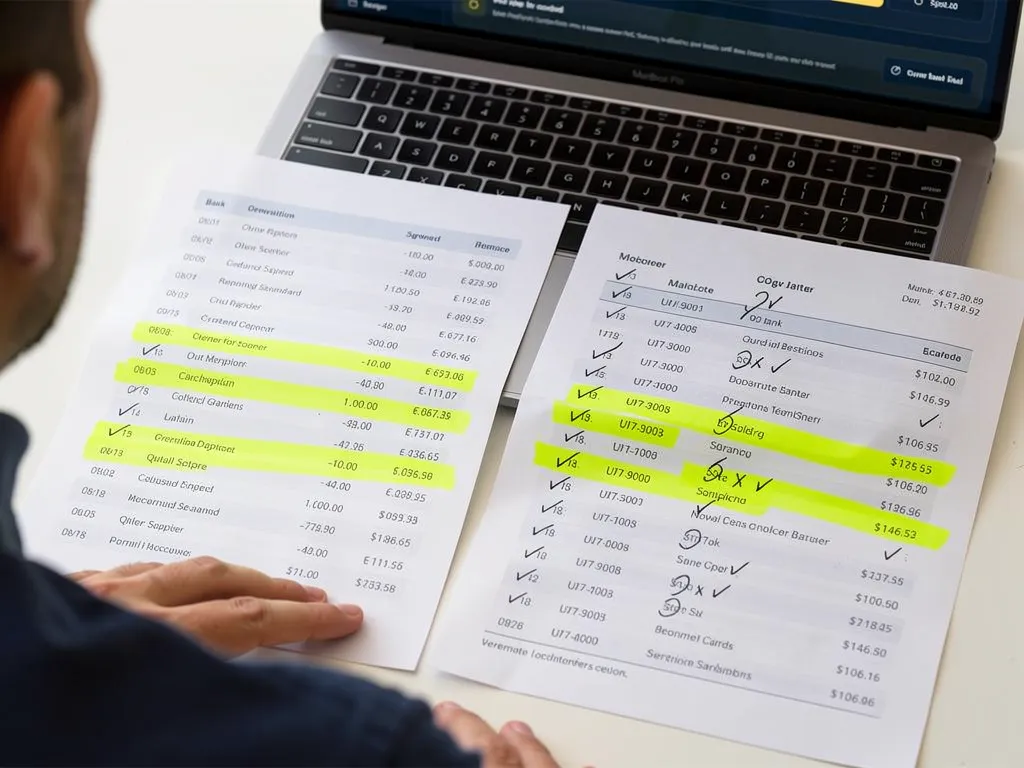
Bank reconciliation monthly means comparing bookkeeping records with account statements and explaining the differences. Work through unfinished months in order using a financial reconciliation checklist, investigating missing deposits, unrecorded charges, incorrect amounts, and outstanding payments. Genuine timing differences should be documented, and the adjusted balances should agree. The IRS recommends reconciling business checking accounts monthly. Imported bank transactions still require review. After year-end, use the final statements to complete the year's reconciliations.
Organize receipts, invoices, and mileage records
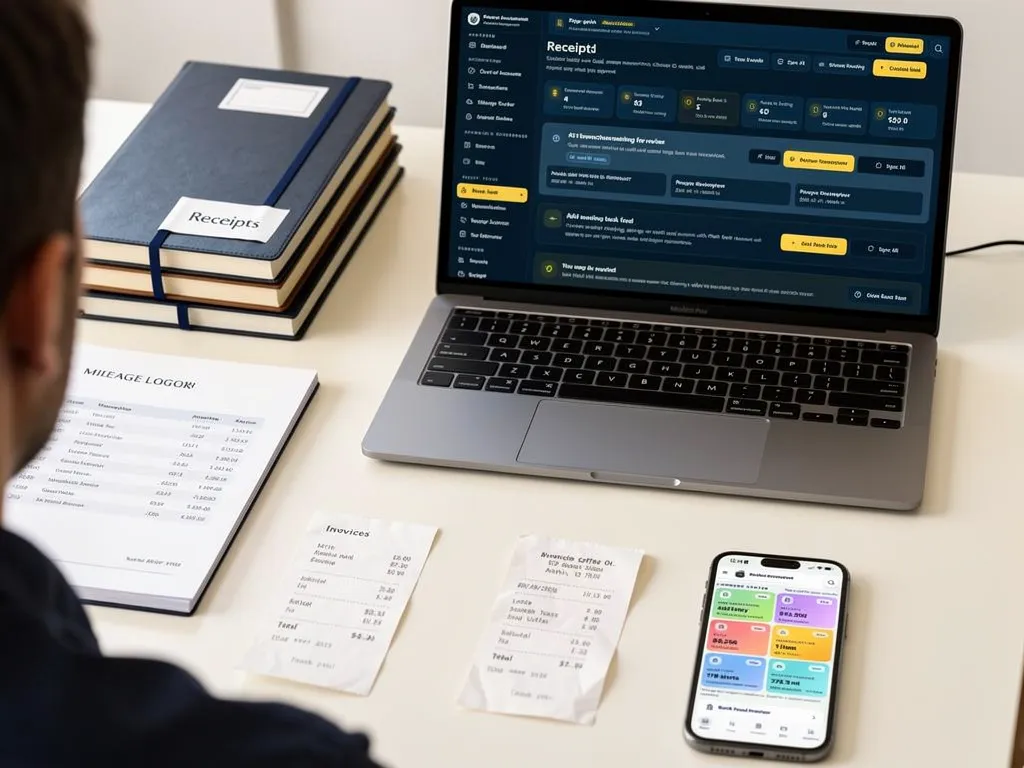
Gather supporting documents while purchases and trips remain fresh. Check email receipts, supplier portals, paper files, and phone photos for anything missing. Save readable documents in a consistent location, and note the business purpose when it is not obvious. Review mileage records for missing dates, destinations, distances, and explanations. Thorough records support reported income and expenses and make preparing financial statements and tax returns easier. Retention requirements vary, so documents should be kept according to the rules that apply to them.
Review unpaid customer invoices
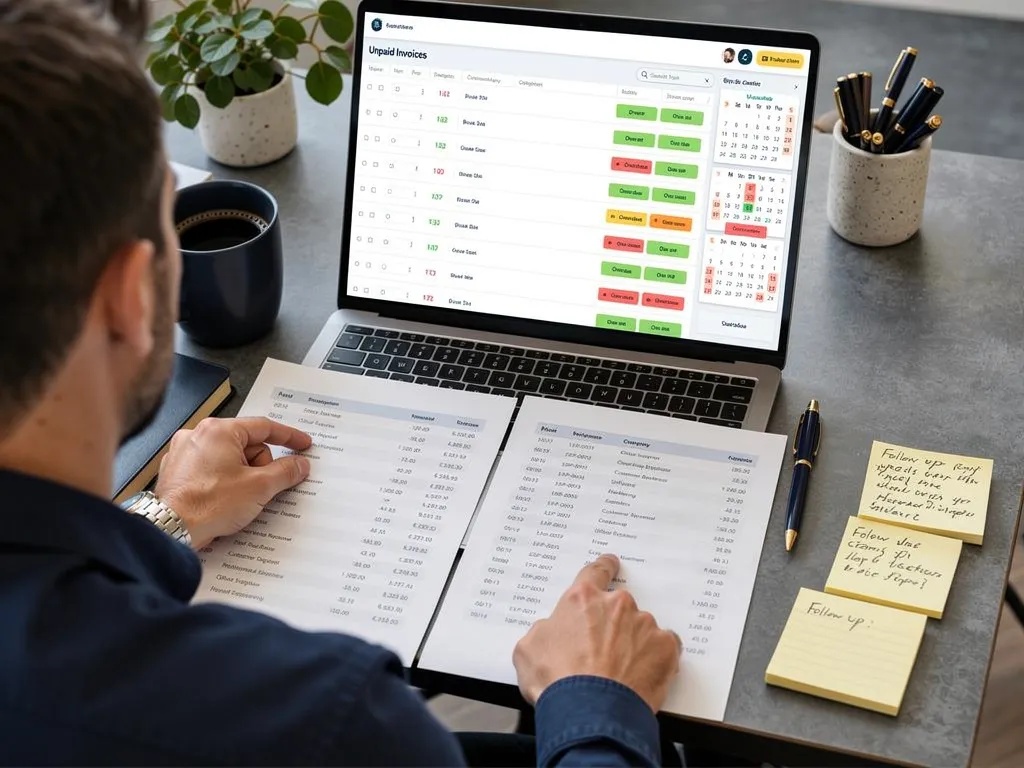
Confirm that completed work has been invoiced according to customer agreements, then review unpaid invoices and bills and follow up on overdue payments. Confirm that payments already received have been applied to the correct invoices, and investigate disputed charges, credit notes, partial payments, and balances that appear unlikely to be collected. Keep notes on collection efforts, and ask an accountant how to handle potentially uncollectible amounts rather than deleting old invoices or assuming they automatically qualify for a tax deduction.
Check unpaid bills and expenses near year-end
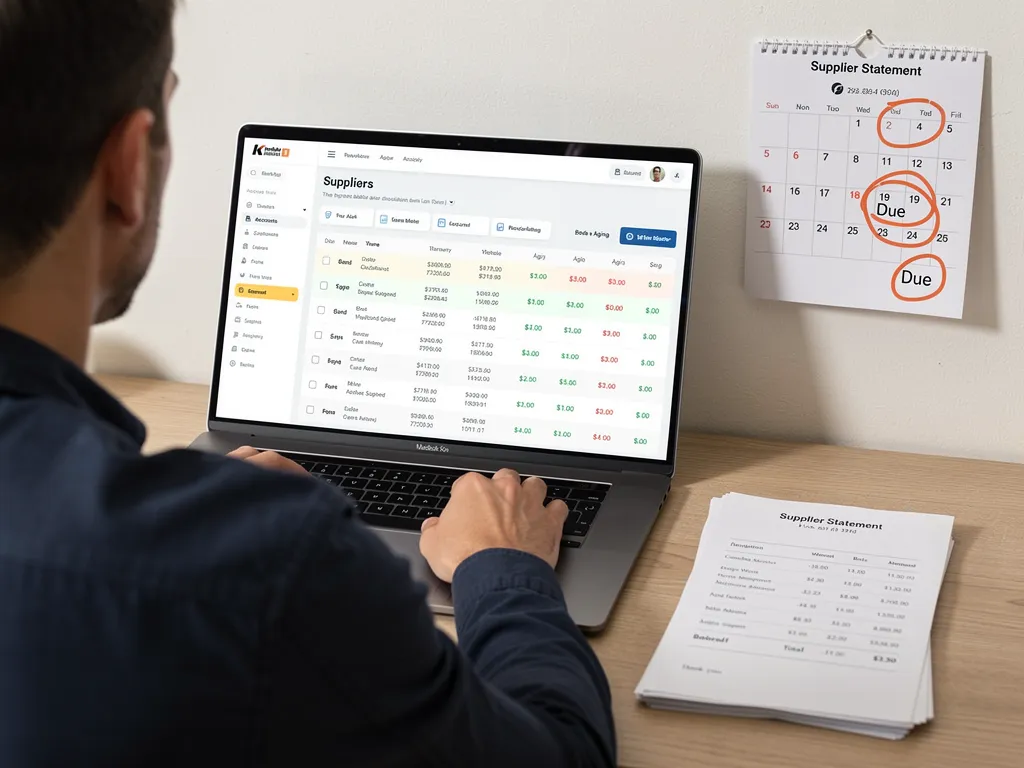
Gather supplier bills, review due dates, and identify purchases or services that have not yet been entered. Compare records with supplier statements where available, paying particular attention to activity around the year-end date. When income and expenses belong in the books depends on the accounting method and applicable rules; the bank payment date does not answer every question. Prepare a list of outstanding obligations to plan payments and give the accountant the information needed for any year-end adjustments.
Review inventory and equipment, if applicable
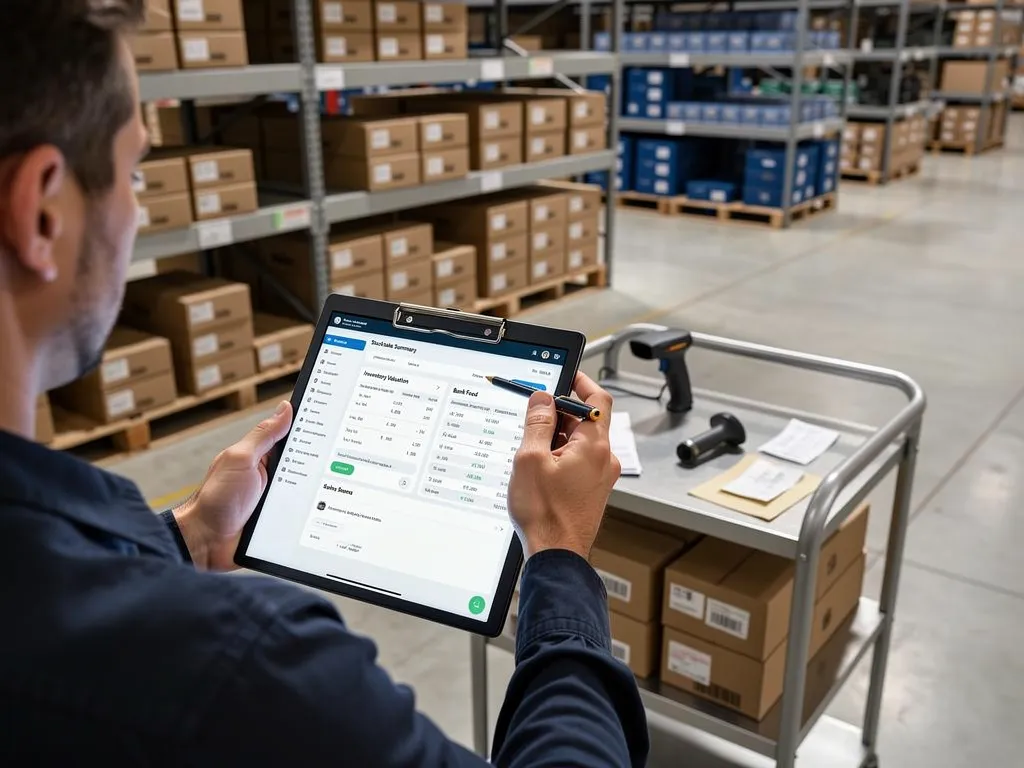
Businesses that sell products should arrange an inventory count near year-end and document how it relates to the closing date. Investigate differences between recorded quantities and what is actually on hand, including damaged or obsolete items. For equipment and other business assets, gather purchase documents and note additions, sales, disposals, and changes in business use, including purchase dates, costs, and when items began being used. Provide these records to an accountant for the appropriate inventory and depreciation treatment.
Prepare employee and contractor information
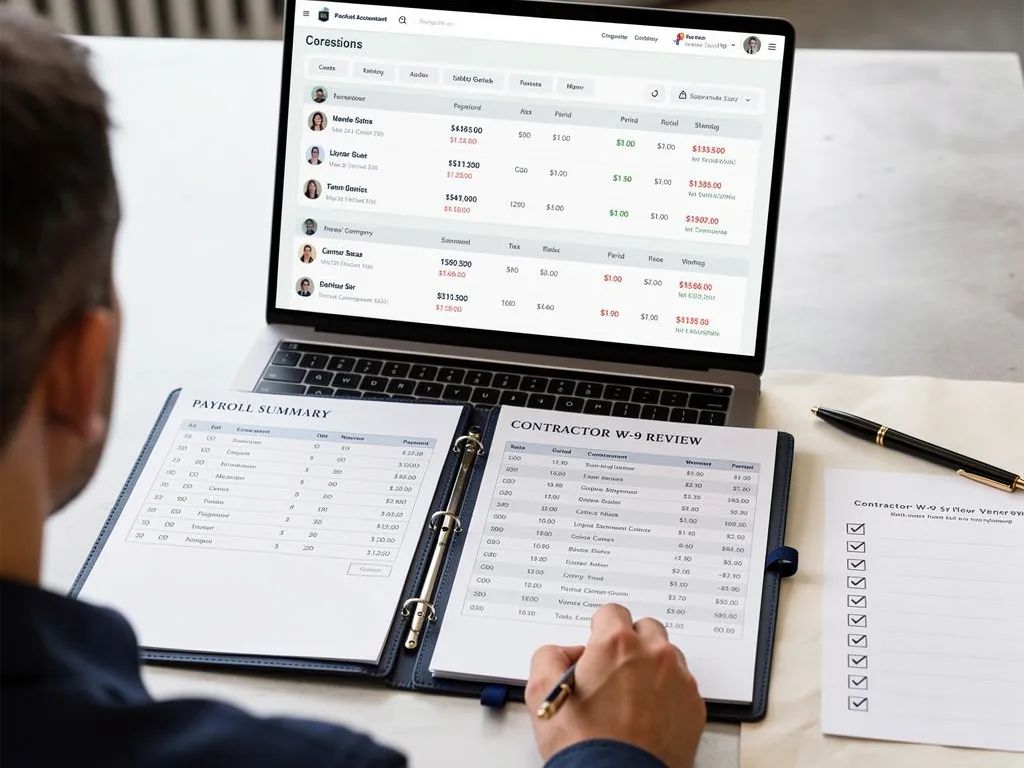
Businesses with employees should work with their payroll provider to confirm names, addresses, wage totals, withholding, and benefits information before preparing employee and contractor tax forms. For U.S. contractors, confirm that appropriate Form W-9 information is on file and review which payments require information reporting. Reporting requirements can depend on the payment type and other circumstances, so current requirements should be confirmed rather than relying on an outdated checklist. Add applicable filing and recipient-copy deadlines to the calendar, and decide who will prepare and submit each form.
Read your financial reports and investigate unusual results
Reconciling business bank accounts monthly requires matching every transaction in the books against actual bank
Once records are reasonably complete, review the year-end financial reports. The profit and loss statement shows income and expenses over a period. The balance sheet shows assets, liabilities, and equity at a particular date. Compare the current year with the budget and, where useful, the previous year. Ask which costs increased, whether margins changed, and why cash moved differently from profit. Unexpected results deserve investigation: a sudden expense increase might reflect business growth, a duplicate entry, or a purchase placed in the wrong category.
Review taxes before making last-minute spending decisions
Meet with a tax professional while there is still time to discuss estimated payments, major purchases, retirement contributions, and other decisions relevant to the business. Bring current reports and a record of tax payments already made, and ask what requires action before year-end and what can be completed afterward.
Evaluate purchases based on business need and available cash. A potential deduction does not make a purchase free, and its timing and treatment may depend on specific rules. Ask the accountant what they need and how they want to receive it. A useful handoff often includes financial reports, transaction detail, reconciliations, statements, unpaid invoice and bill lists, asset records, and supporting documents. Include a short list of unresolved questions: noting that a deposit may represent owner funding, for example, is more helpful than silently treating it as sales.
After agreed adjustments are entered, save dated copies of the final reports and exports, and document later corrections so everyone knows which version is current.
Use the completed review to set a realistic budget for the coming year, considering recurring expenses, seasonal changes, planned purchases, customer payment patterns, and cash reserves. Choose a few specific improvements, such as invoicing promptly, reviewing subscriptions quarterly, or reconciling accounts every month, and put those activities on the calendar now. A repeatable routine provides more useful financial information throughout the year and less cleanup at the next year-end.
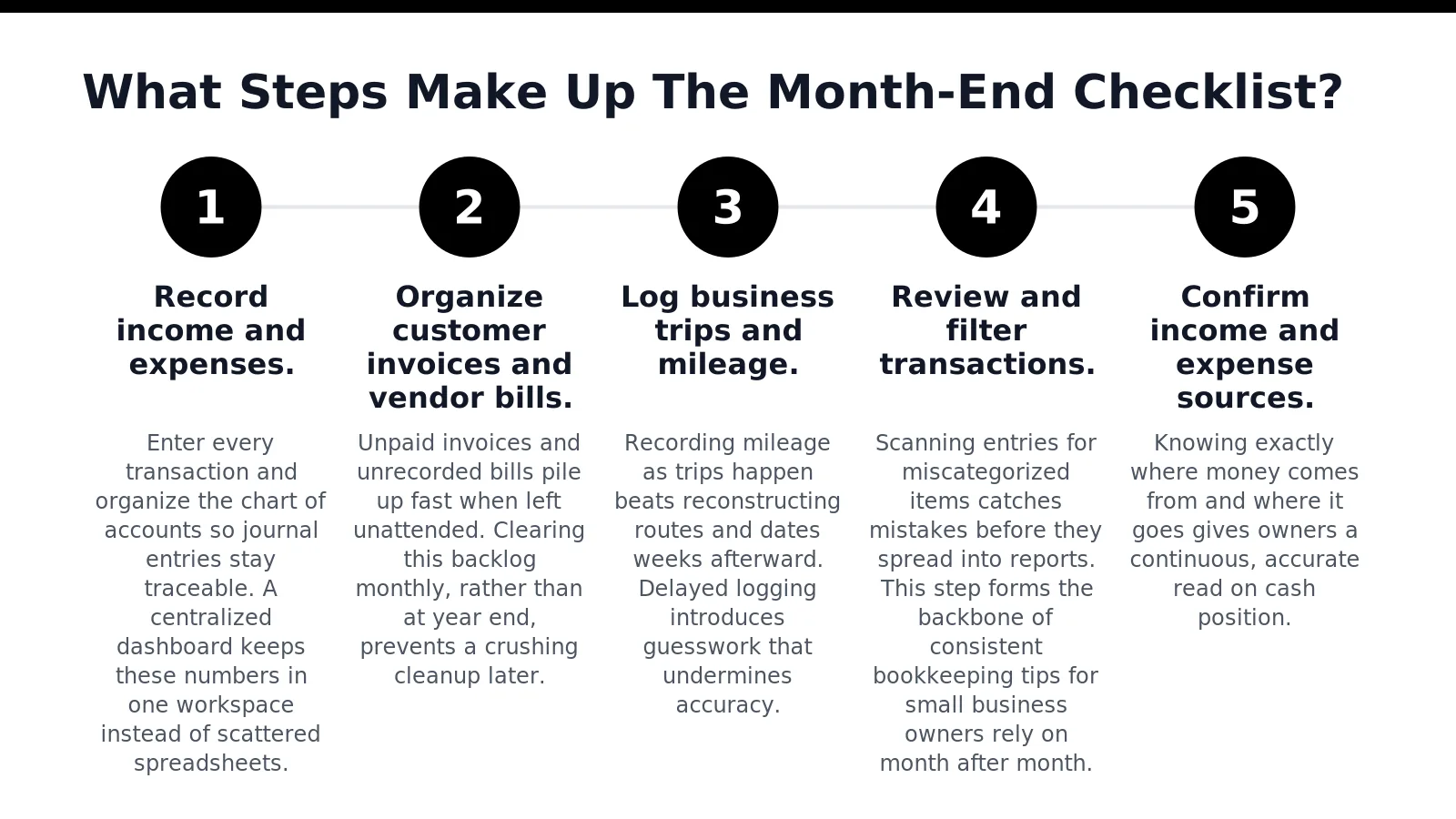
The work can be organized across five stages:
Pocket Accountant supports this routine by bringing income and expense tracking, invoices, bills, receipt uploads, mileage, budgets, and financial reports into one workspace. Its tools also include bank-feed workflows, reconciliation, exports, and Pocket Assistant guidance. Availability depends on the plan and connected services.
Begin with one manageable task this week: reconcile an account, follow up on overdue invoices, or organize missing receipts. Then maintain the weekly review appointment so progress continues.
Visit Pocket Accountant to explore tools that help you organize your records and prepare for a smoother year-end.
Frequently Asked Questions
When should a small business start its year-end checklist?
Most small businesses benefit from starting 60 to 90 days before their financial year ends. For a calendar-year business, that means beginning the review in October or November, which leaves enough time to catch up on transactions, reconcile accounts, and meet with a tax professional before deadlines arrive.
How often should business bank and credit card accounts be reconciled?
The IRS recommends reconciling business checking accounts monthly. Keeping reconciliations current throughout the year makes the final year-end reconciliation far faster, since only the most recent statements need review once the year closes.
What records should be gathered before meeting with an accountant?
A useful handoff typically includes financial reports, transaction detail, completed reconciliations, bank and credit card statements, unpaid invoice and bill lists, asset records, and supporting documents such as receipts and mileage logs. Including a short list of unresolved questions helps the accountant address uncertain items accurately.
What should be done with unpaid customer invoices at year-end?
Review outstanding balances, confirm that received payments have been applied to the correct invoices, and follow up on overdue amounts. Balances that appear uncollectible should be discussed with an accountant rather than deleted or assumed to qualify automatically for a tax deduction.
How can a small business make next year-end easier?
Choosing a few specific, repeatable habits, such as invoicing promptly, reconciling accounts monthly, and reviewing subscriptions quarterly, and scheduling them on a recurring calendar creates a routine that reduces cleanup and produces more reliable financial information throughout the year.
Conclusion
A smoother year-end close comes down to consistent year end close procedures applied well before the financial year ends: transaction categorization, monthly bank and credit card reconciliation, organized receipts and mileage records, and timely follow-up on unpaid invoices and bills. Inventory counts, equipment records, and employee or contractor information round out the documentation an accountant needs to prepare accurate tax filings. Reviewing profit and loss statements and the balance sheet against budget and prior-year results turns that documentation into a clear picture of the business's financial position heading into the new year. Start with one task from this checklist this week, and visit Pocket Accountant to keep the next close as straightforward as this one.